Price: Price on request
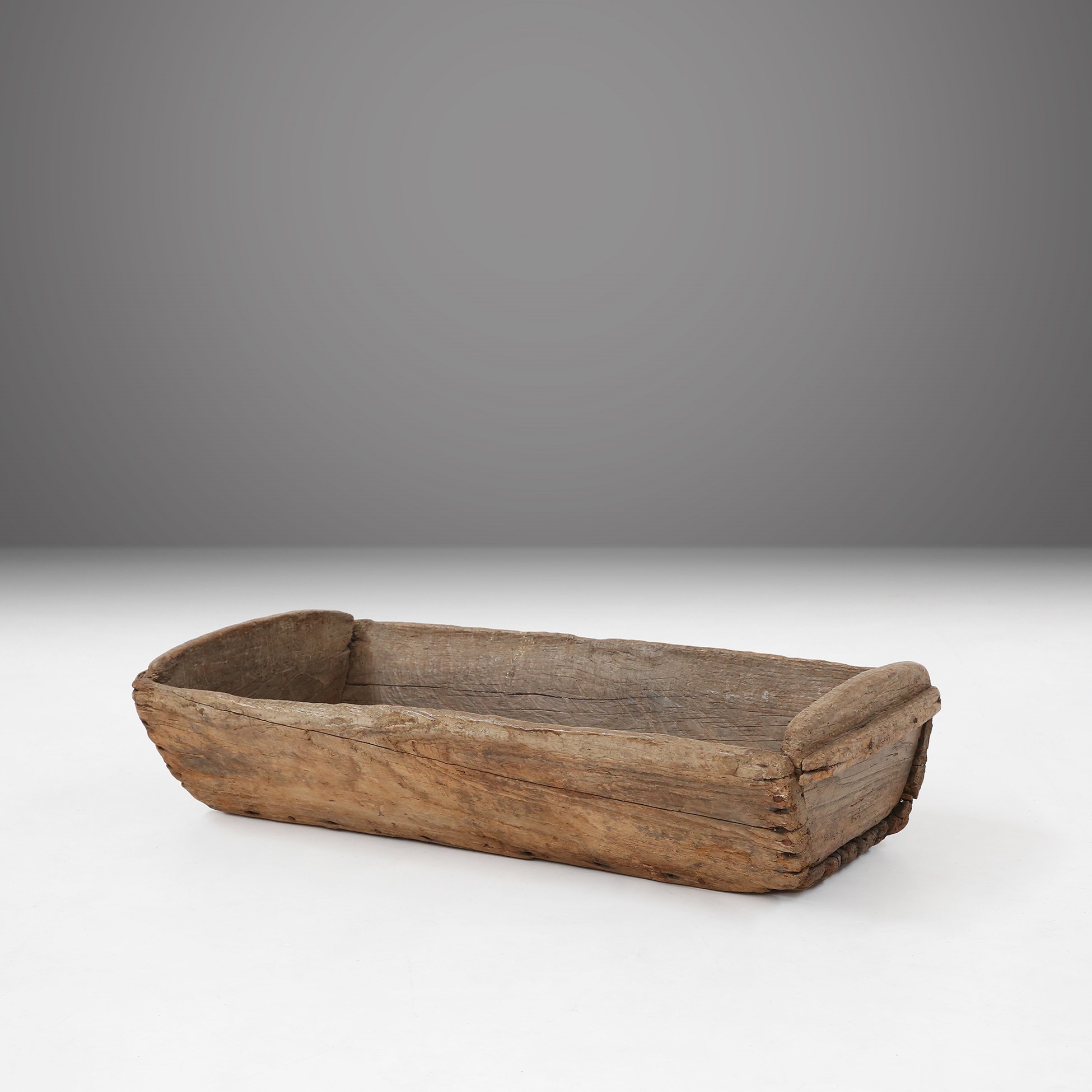
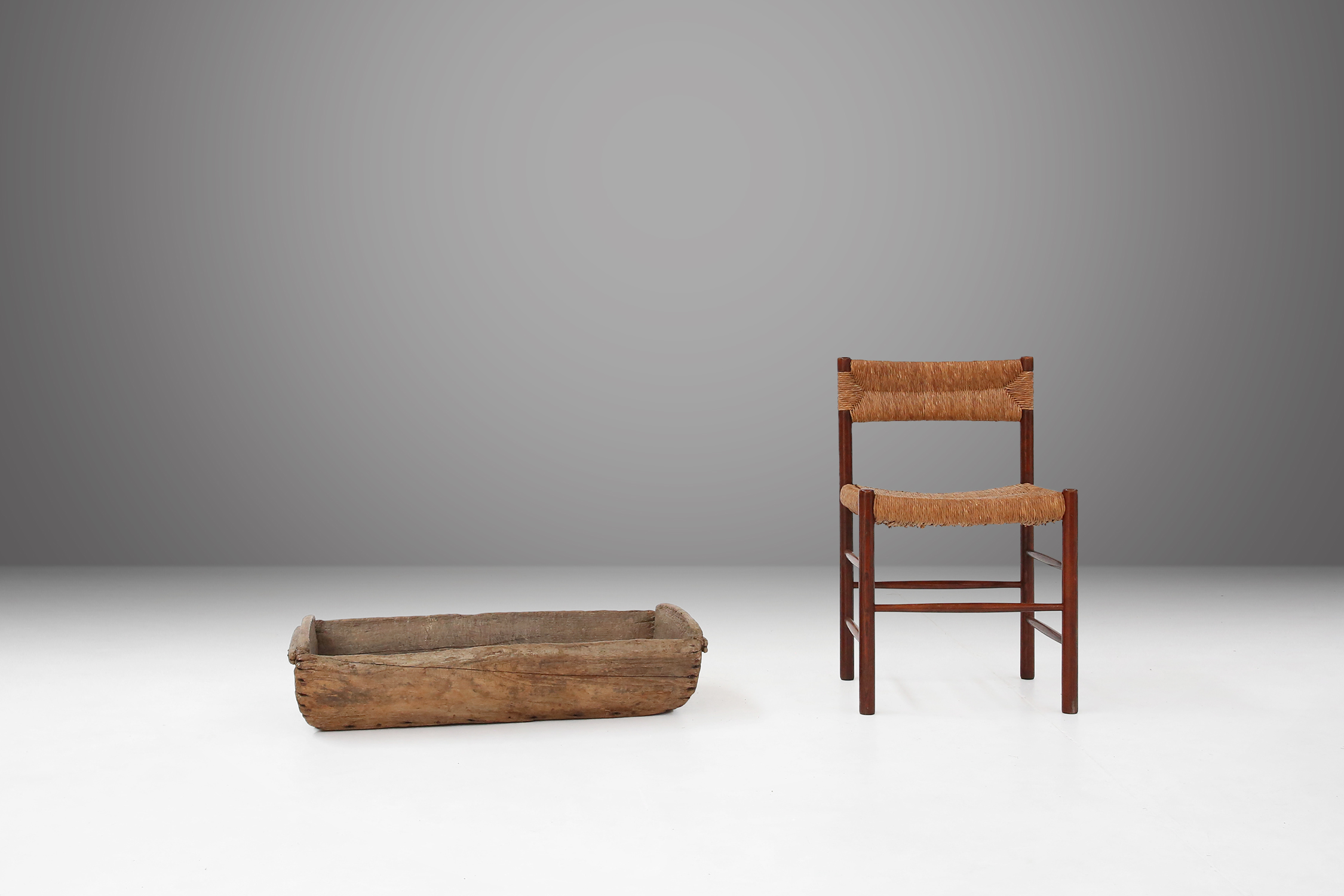
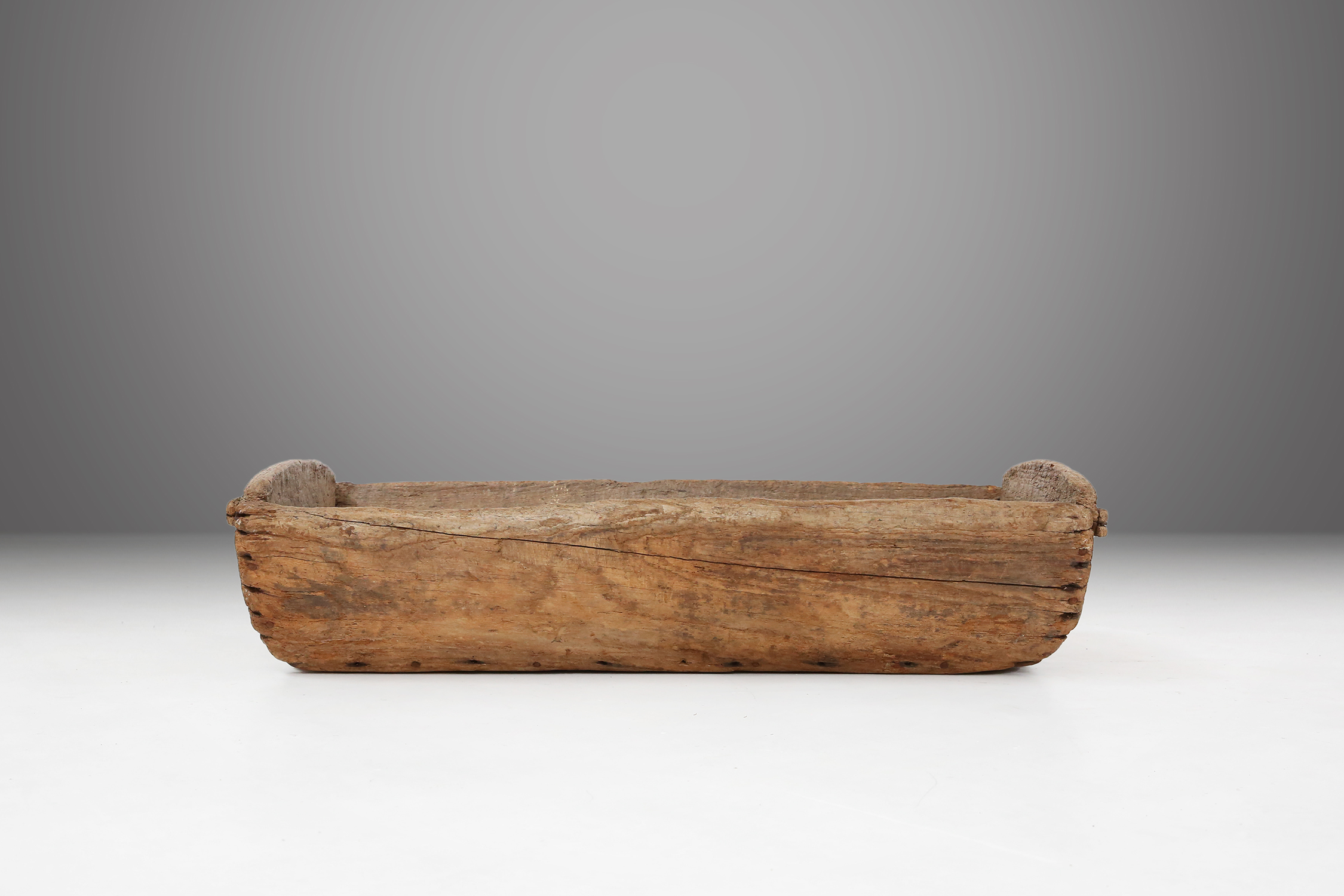
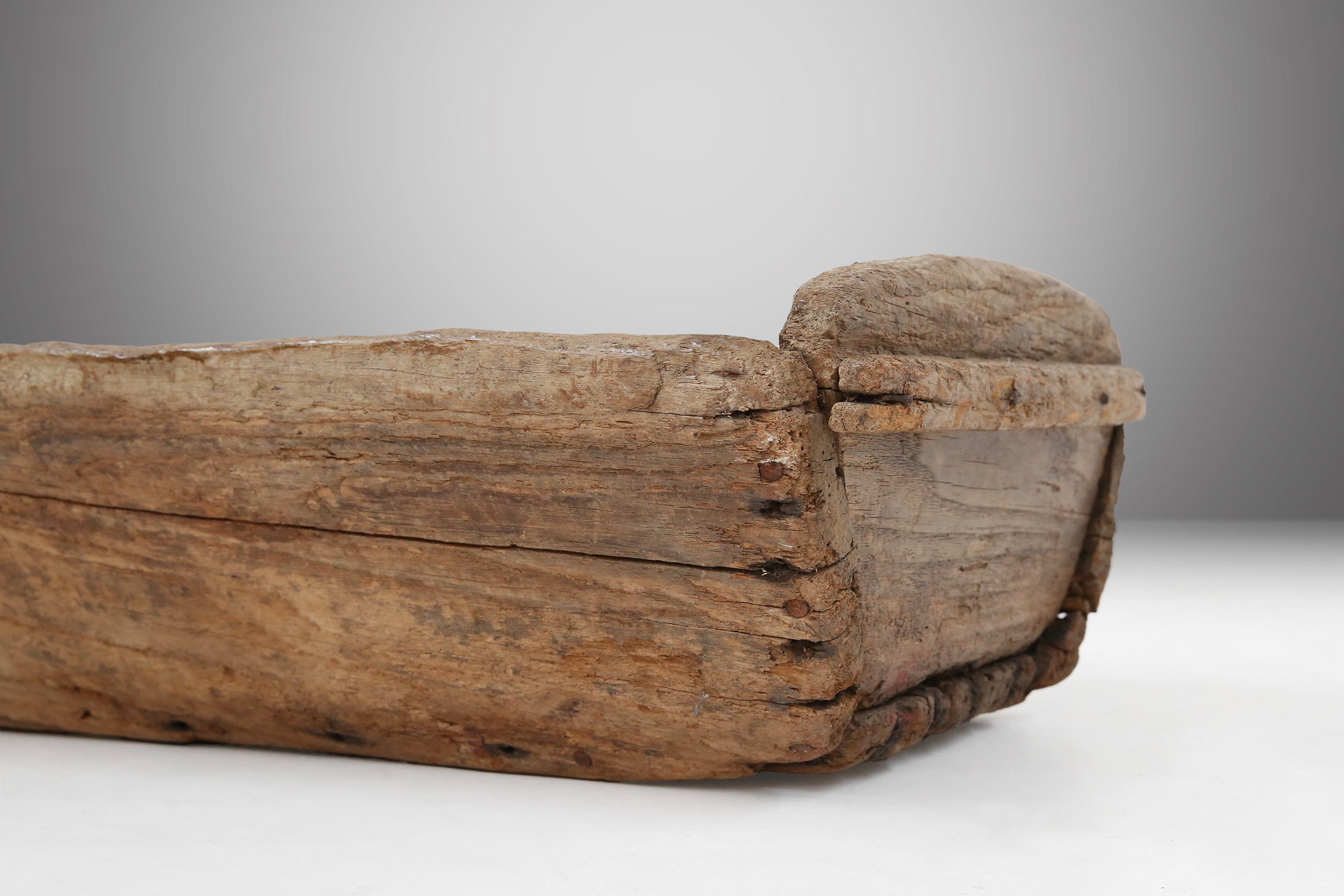
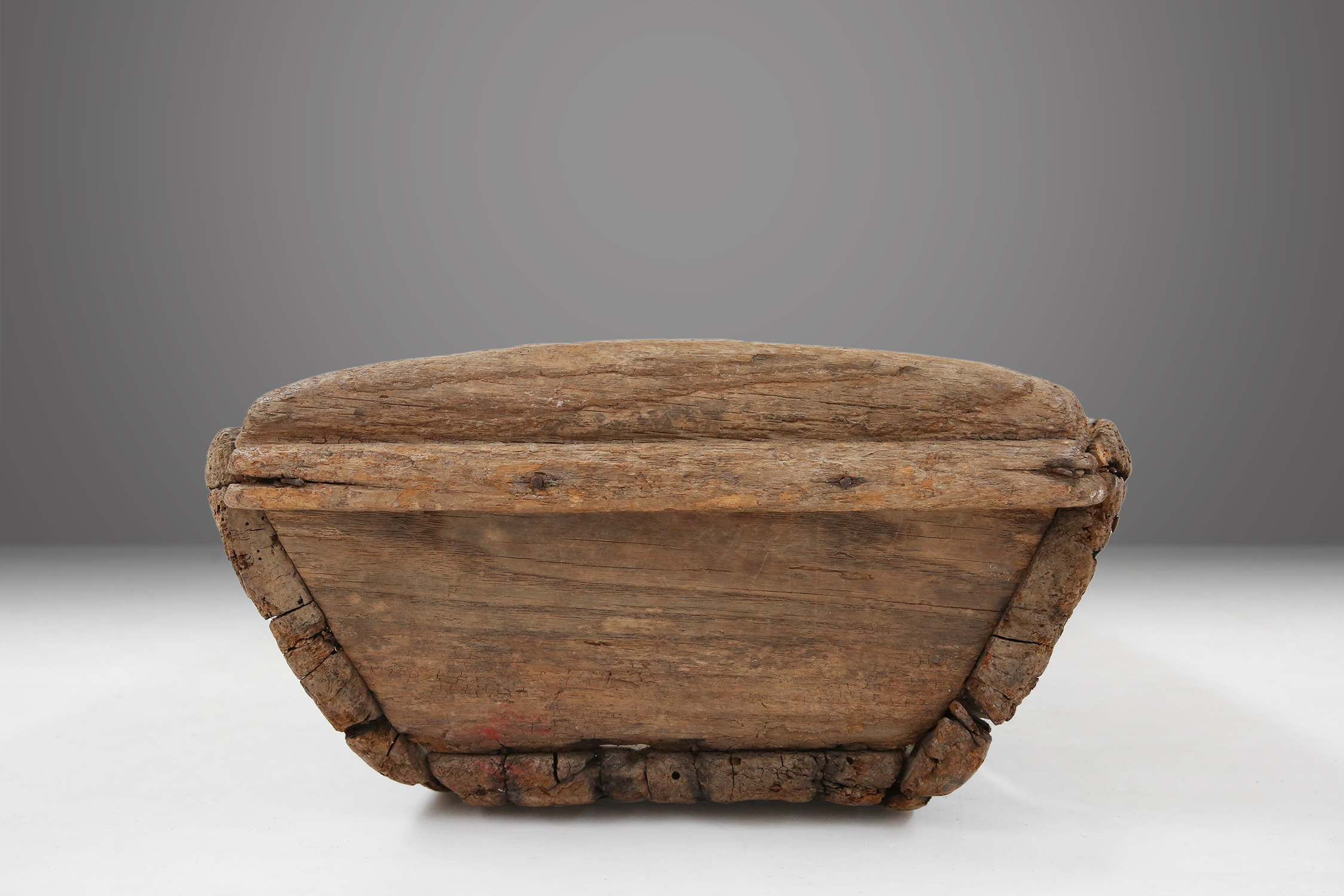
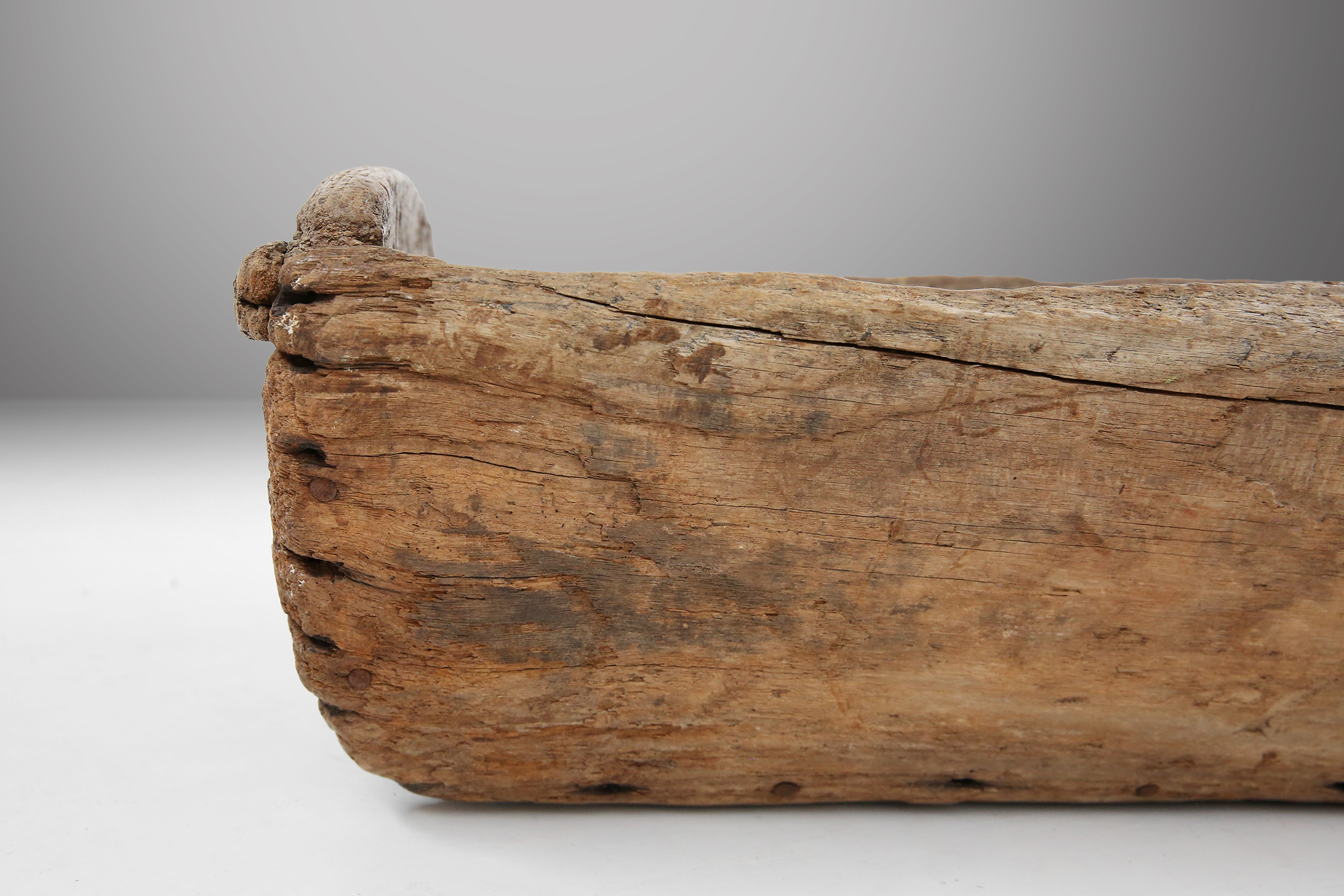
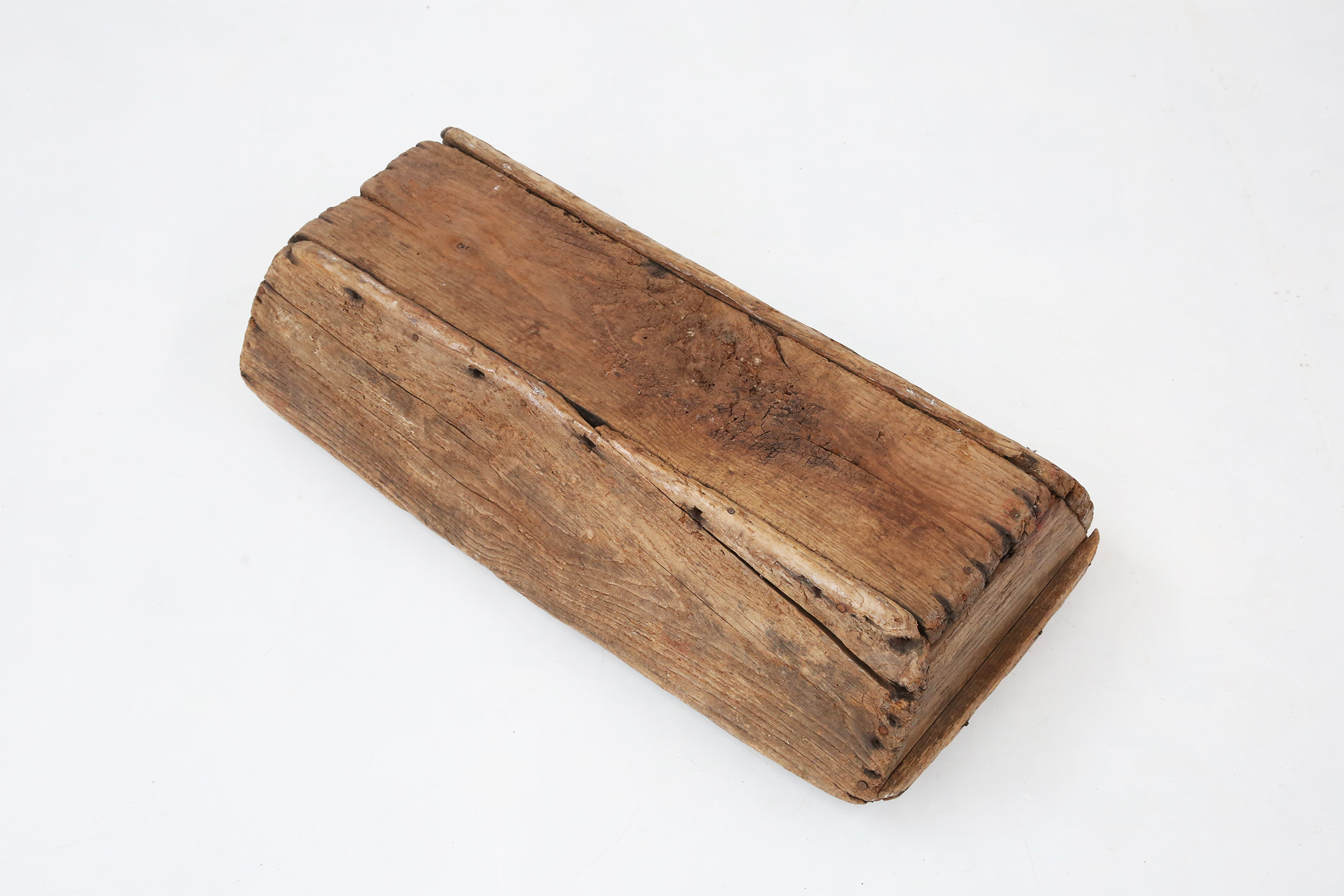
A powerful example of rural French craftsmanship, this 19th‑century wooden trough embodies the utilitarian beauty and tactile authenticity of everyday objects shaped by hand and softened by long use. Its form is direct and functional; hewn from a solid block of wood, yet time has transformed it into a sculptural object with deep visual presence.
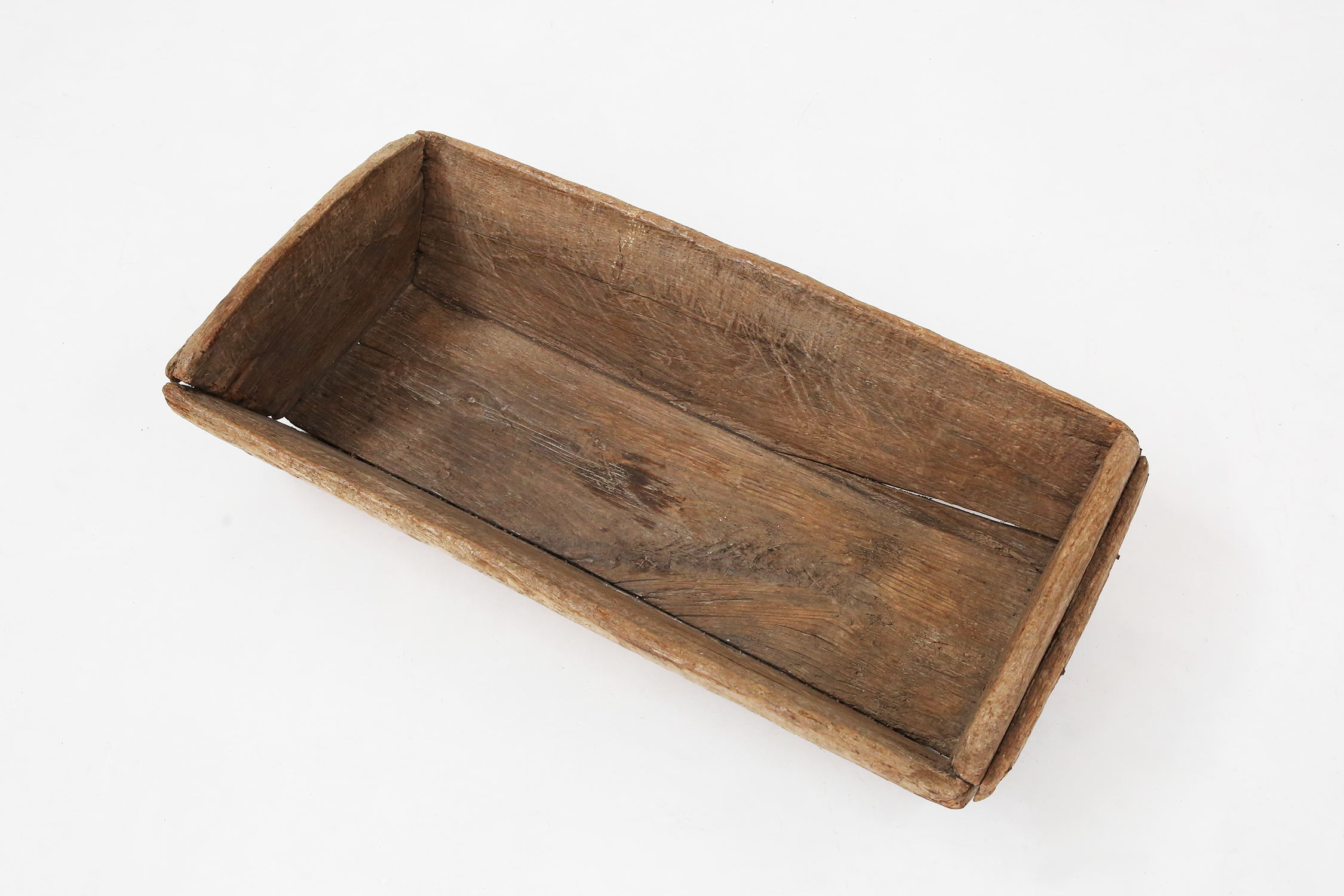
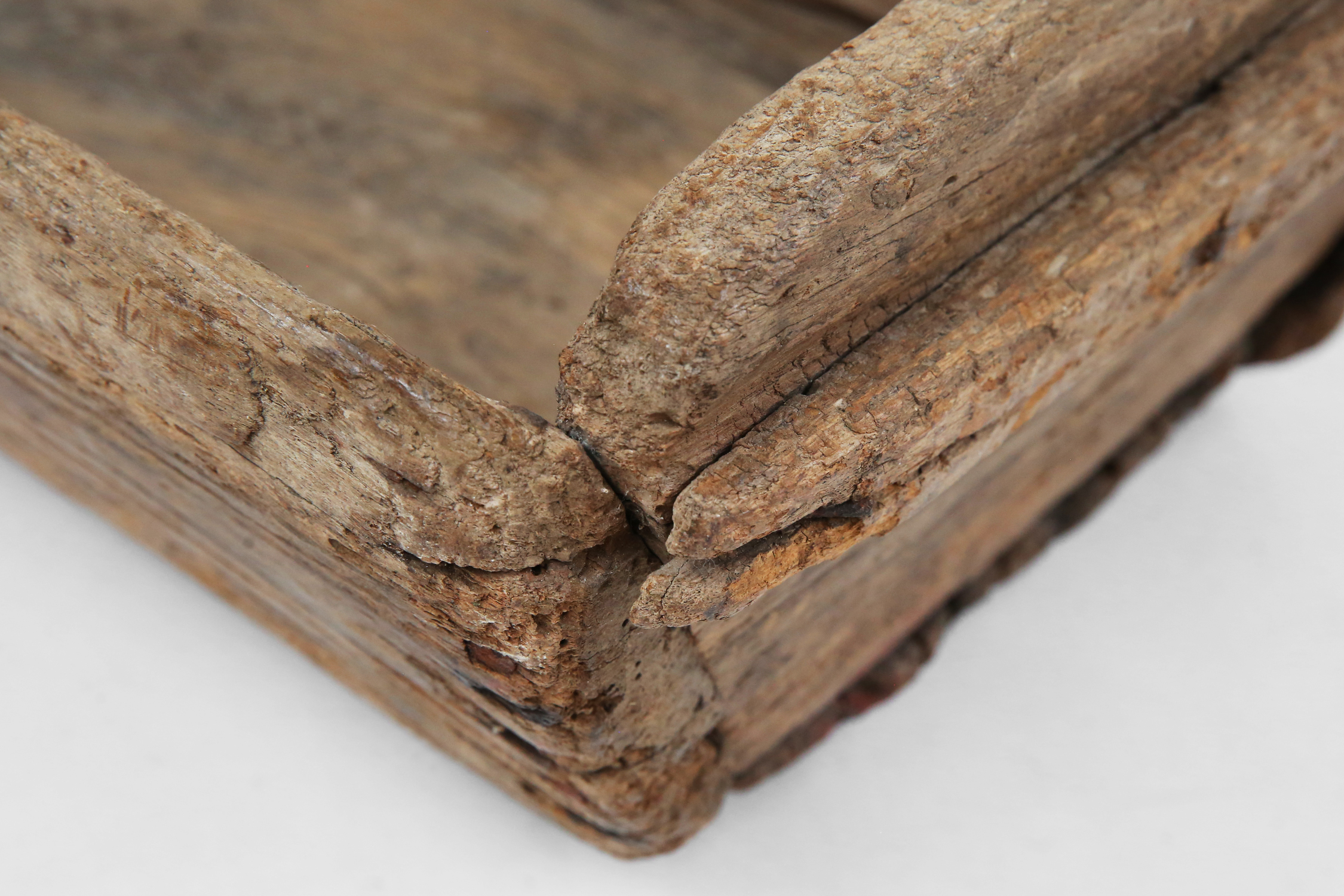
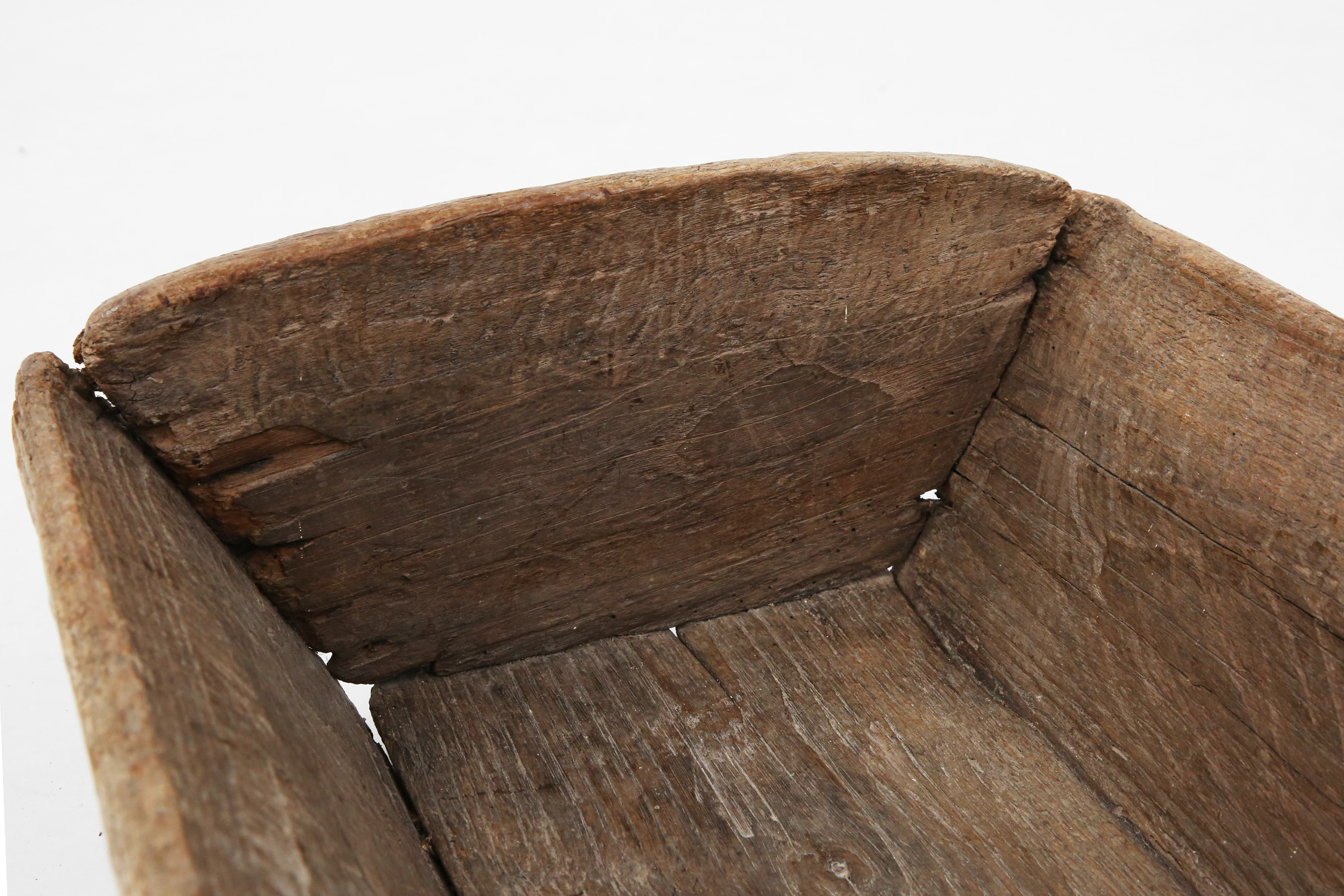
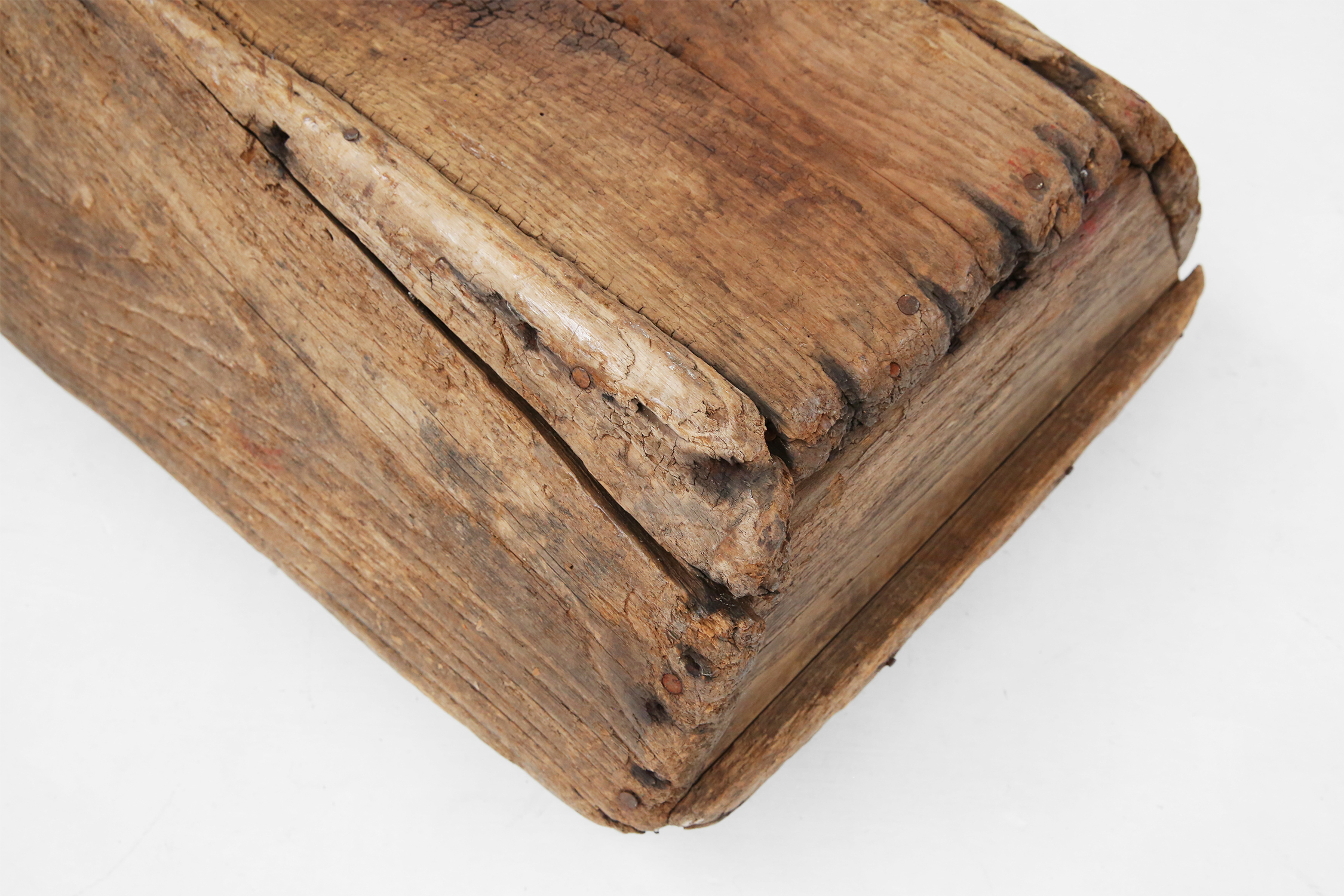
Troughs like this were essential tools in the agricultural life of 19th‑century France, used for food preparation, storage, or animal feeding. The hand‑carved interior, irregular edges, and tool marks speak to a world in which objects were made by necessity, not ornament, and where the maker’s hand remains visible in every plane and contour.
The surface has developed a rich, naturally weathered patina: softened corners, worn grain, and age‑earned imperfections that give the piece its unmistakable character. This depth of surface is impossible to replicate artificially. It reflects decades, if not more, of daily handling, exposure, and use, making the trough a compelling artifact of rural life.
Though born of utility, the trough now reads as a sculptural object. Its elongated form and raw texture make it a striking accent in contemporary spaces. It works beautifully as a centrepiece on a dining or console table, a display vessel for dried botanicals or sculptural objects, a wabi‑sabi element in minimalist interiors or as a grounding rustic counterpoint to modern design. Its simplicity allows it to harmonize with a wide range of aesthetics.
Antique troughs of this age and integrity are increasingly sought after for their authenticity and sculptural quality. This example, with its strong form and richly developed patina, is a particularly evocative piece; an object that carries the quiet poetry of 19th‑century provincial life into the present.
Dimensions:
Height: 21 cm
Width: 89 cm
Depth: 42 cm
Ref. 23-0146